
If you are searching for startup traction metrics, the goal is not to collect more dashboards.
The goal is to choose the few numbers that tell you whether the business is actually getting stronger.
Quick answer
The best startup traction metrics are the ones that connect directly to customer value, such as:
- activation rate
- retained usage
- demo-to-close rate
- repeat purchase or expansion
- qualified pipeline from the right segment
Vanity metrics matter less unless they connect to one of those.
Leading indicators vs vanity metrics
Good traction metrics predict value creation.
Weak traction metrics mostly describe activity.
Examples of stronger startup traction metrics:
- activation by segment
- retained usage after week one
- proposal acceptance rate
- repeat product usage
- revenue retained from the right accounts
Examples of weaker ones:
- raw traffic
- total signups without activation
- impressions with no conversion
What founders should review weekly
Before product-market fit, most founders should review:
- activation rate
- retention by cohort
- conversion by source
- qualified pipeline
- win rate
Those tell you whether the offer is getting stronger, not just louder.
Metric examples by business model
PLG
- activation rate
- retained teams
- time to first value
Sales-led SaaS
- qualified demos
- proposal acceptance
- closed-won revenue from ideal customers
Marketplace
- successful transactions
- repeat matched pairs
- retained supply and demand
When traction metrics improve
The right metrics usually improve when:
- onboarding gets simpler
- targeting gets tighter
- the offer becomes clearer
- the team focuses on one bottleneck at a time
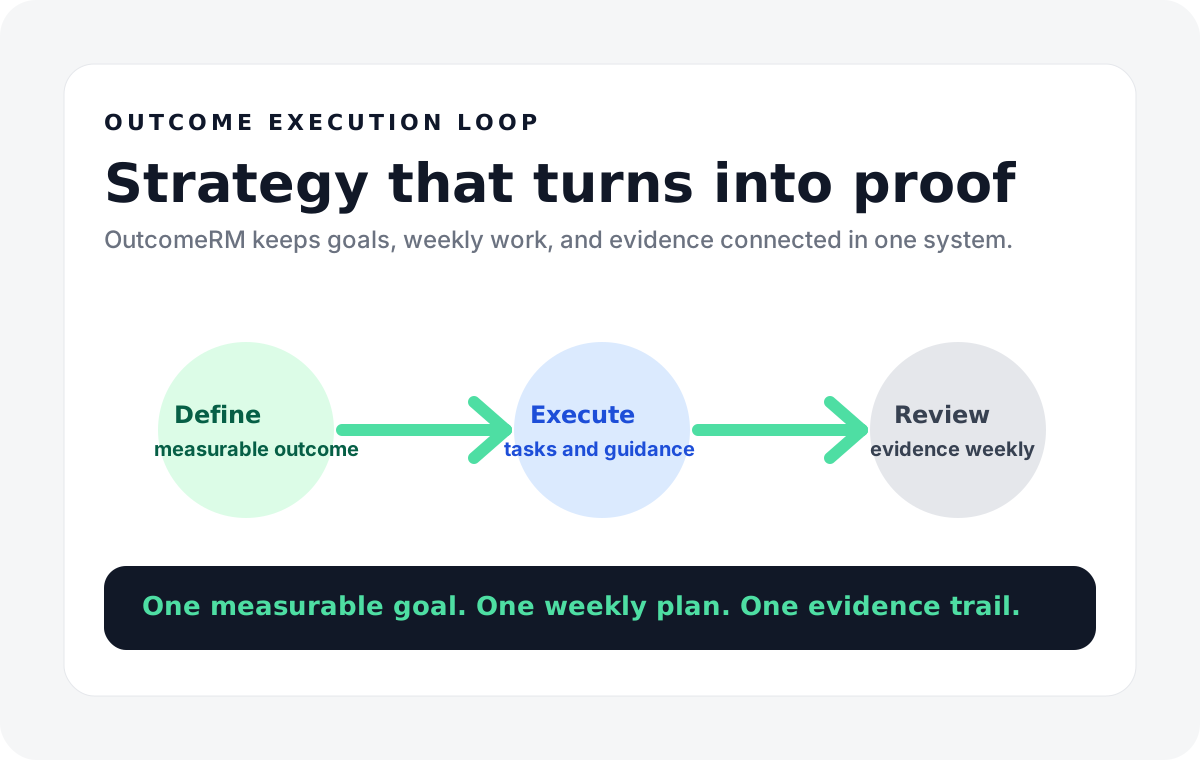
That is why traction metrics and execution systems belong together.
Final takeaway
Startup traction metrics are useful only if they help founders decide what to do next.
If you want the broader operating system, read Startup Growth Traction. If you want to run those metrics inside a weekly sprint, use OutcomeRM.