If you run a bakery, salon, gym, dental office, clinic, cleaning business, or other neighborhood company, a marketing plan should do one thing above all:
Make the next 30 to 90 days obvious.
Too many local business marketing plans become lists of ideas instead of systems that create demand.
Quick answer
A marketing plan for a small local business should include:
- one measurable customer or revenue goal
- one primary audience
- one core local offer
- two to three channels the team can run every week
- a KPI review rhythm
That is enough to build momentum without drowning in complexity.
Start with one local business goal
Examples:
- increase bookings by 20% in 90 days
- add 30 new customers this quarter
- raise repeat purchase rate by 15%
- win 5 new wholesale or partnership accounts
Without a specific target, the rest of the plan becomes generic.
Best channels for most local businesses
Most small local businesses do not need eight channels.
They usually need a tighter mix like:
- Google Business Profile
- review generation
- location-specific website pages
- email or SMS follow-up
- referral asks
- local partnerships
That mix works because it aligns with how local buyers discover and choose businesses.
Simple local business marketing plan template
Goal
- target:
- deadline:
- baseline:
Audience
- who buys most often:
- who is highest value:
- what triggers the purchase:
Offer
- core offer:
- seasonal or promotional offer:
- repeat-purchase or referral hook:
Channels
- channel 1:
- channel 2:
- channel 3:
Weekly actions
- week 1:
- week 2:
- week 3:
- week 4:
KPIs
- inquiries:
- bookings:
- repeat customers:
- review count:
Weekly actions that fit real local businesses
Instead of writing:
- improve visibility
write:
- ask every happy customer for a review
- update one local service or product page each week
- send one offer or reminder email every week
- post one local proof point or promotion on Google Business Profile
- reach out to one local partner each week
Those are actions a small team can actually run.
Action to result examples
Use this structure:
- review request system -> better trust and stronger local search conversion
- service-area page updates -> more impressions for nearby searches
- weekly email reminder -> more repeat visits or orders
- seasonal offer -> more short-term booking volume
- local partnership outreach -> new referral sources
That is the format that keeps a local marketing plan tied to outcomes.
Example: bakery
- goal: increase preorder volume by 25% in 90 days
- channels: Google Business Profile, email, wholesale outreach
- weekly actions: collect reviews, post product proof, send preorder reminders, contact local cafes
For a full bakery version, read Bakery Business Growth Strategy and Bakery Local SEO Strategy.
Example: service business
- goal: book 10 new clients in 30 days
- channels: local SEO, referrals, fast quote follow-up
- weekly actions: publish one service-area page, ask for reviews, follow up on every inquiry, send one referral reminder
That is why local business marketing plans work best when they stay simple, measurable, and repeatable.
Why OutcomeRM fits local businesses
Local operators usually do not need more theory.
They need:
- a plan built around one business goal
- weekly actions they can actually run
- KPI reviews that show what is driving customers
- a system that helps them repeat what works
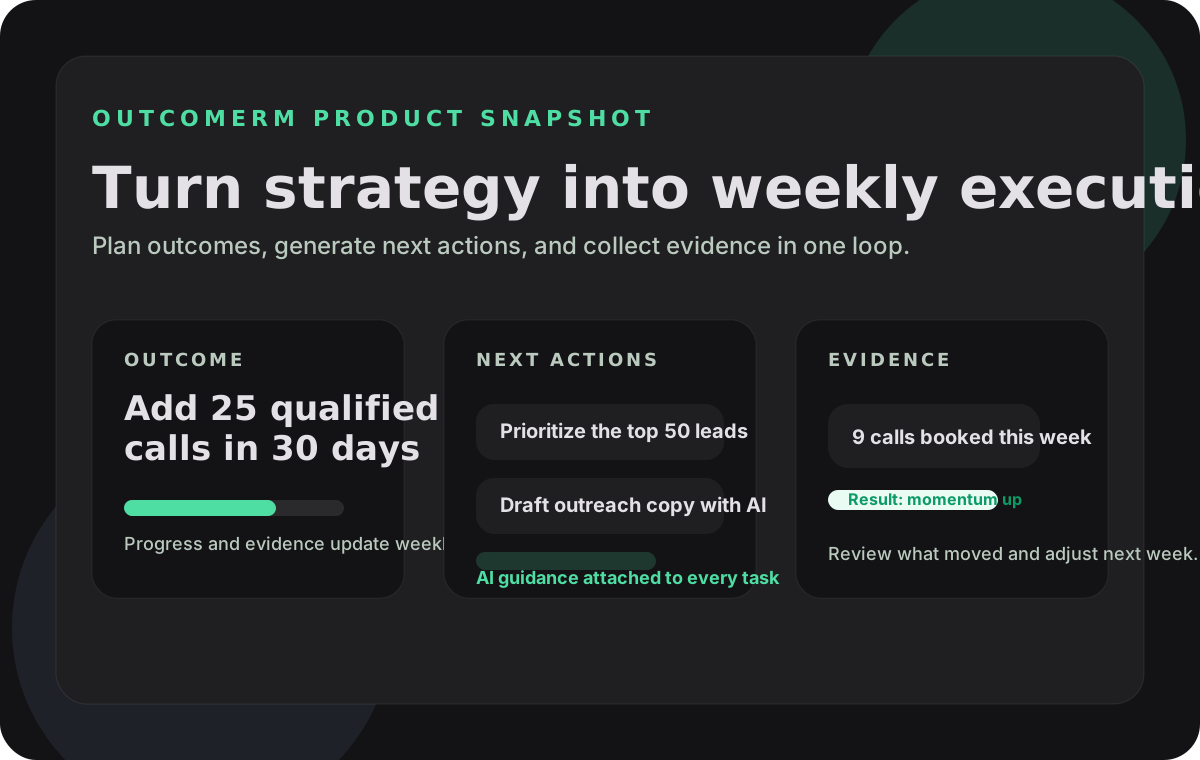
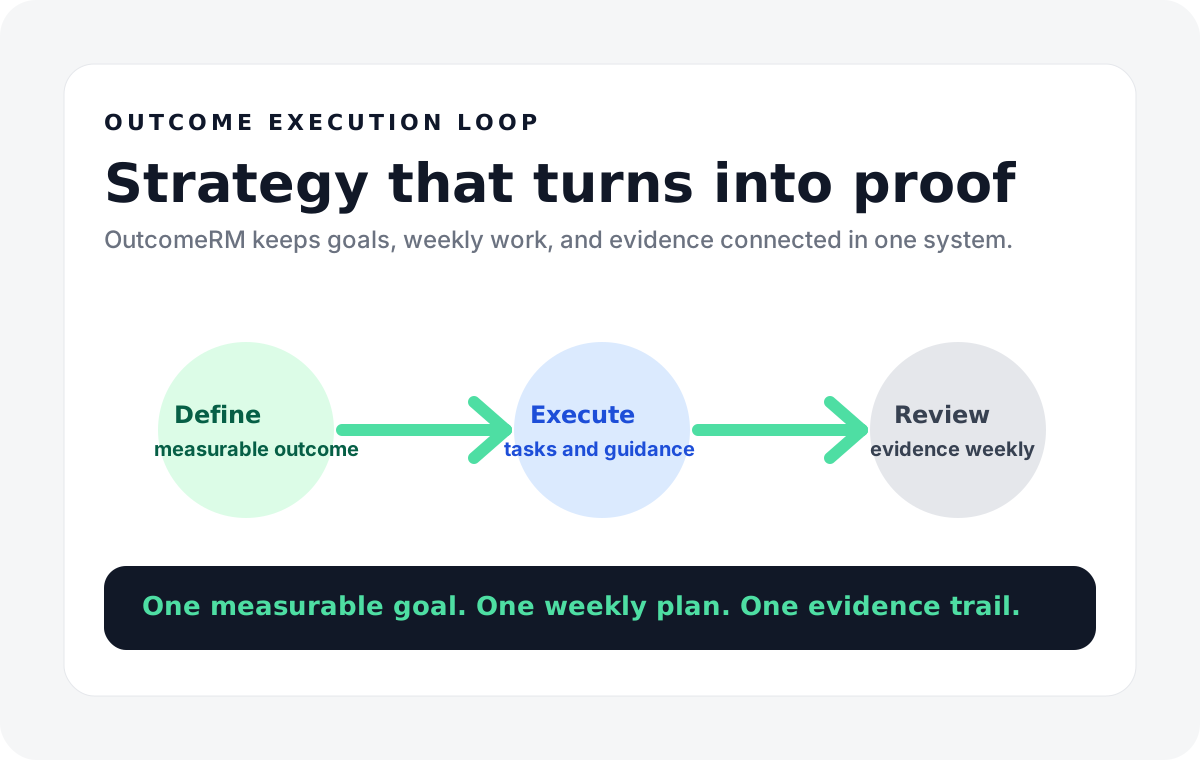
That is the execution layer OutcomeRM is built for.
Final takeaway
The best marketing plan for a small local business is not the longest plan.
It is the plan that makes next week obvious and helps the owner see which actions are actually creating customers.
If you want to build that system faster, use the OutcomeRM templates or create an account and turn one local business goal into weekly execution.