If you are looking for a marketing plan for a moving company, the real job is not making a document.
The real job is building a system that turns local demand into booked moves every week.
For most moving companies, that means the plan should answer:
- where demand comes from
- how quickly the team follows up
- which offers convert best
- which actions produce booked jobs instead of just inquiries
Quick answer
A moving company marketing plan should include:
- one measurable booking goal
- one clear service area
- one core offer
- two to four lead channels
- a fast follow-up process
- weekly actions tied to expected results
If the plan does not define the weekly actions and follow-up speed, it is incomplete.
The biggest mistake moving companies make
Most moving companies do not have a traffic problem first.
They have one of these problems:
- slow response time to incoming leads
- weak local visibility in Google
- no repeat referral system
- too many random channels with no weekly cadence
That is why a moving company marketing plan should focus on execution, not just ideas.
Start with one outcome
Do not write "grow the business."
Pick one target like:
- book 10 new moving jobs in 30 days
- generate 40 qualified quote requests this month
- increase apartment-move bookings by 25% this quarter
- win 3 commercial moving contracts in 90 days
That single outcome should shape the rest of the plan.
Best channels for a moving company marketing plan
Most local moving companies should start with a channel mix like this:
- Google Business Profile
- local SEO pages
- Facebook Marketplace and neighborhood groups
- Craigslist service listings
- referral requests after completed jobs
You do not need every channel. You need the few channels your team can run consistently.
Simple moving company marketing plan template
Goal
- target:
- deadline:
- baseline:
Audience
- apartment movers:
- homeowners:
- office/commercial clients:
Offer
- local move package:
- same-day or short-notice option:
- referral incentive:
Channels
- channel 1:
- channel 2:
- channel 3:
Weekly actions
- week 1:
- week 2:
- week 3:
- week 4:
KPIs
- quote requests:
- booked jobs:
- close rate:
- review count:
Weekly actions that actually drive jobs
Instead of writing:
- improve awareness
write:
- post one offer in 5 local Facebook groups every weekday
- refresh 3 Craigslist listings every week
- ask every completed customer for one review and one referral
- answer every quote request within 5 minutes during working hours
- update one service-area page each week
That is what makes the plan operational.
Action to expected result examples
These numbers vary by city, offer, and team responsiveness, but this is the right planning format:
- Facebook group posting cadence -> more direct quote requests from local residents
- Craigslist refreshes -> more demand from urgent movers
- review requests after each job -> stronger Google Map visibility and trust
- fast lead response -> higher close rate on existing demand
- service-area SEO pages -> more search impressions for neighborhood terms
The key idea is simple: every action should connect to an expected result.
How to review the plan weekly
Every week, look at:
- quote requests by channel
- booked jobs by channel
- close rate
- average job value
- review count
- referral conversations started
Then ask:
- which channel produced booked jobs, not just clicks?
- which offer converted best?
- where did response time break down?
- what should we repeat next week?
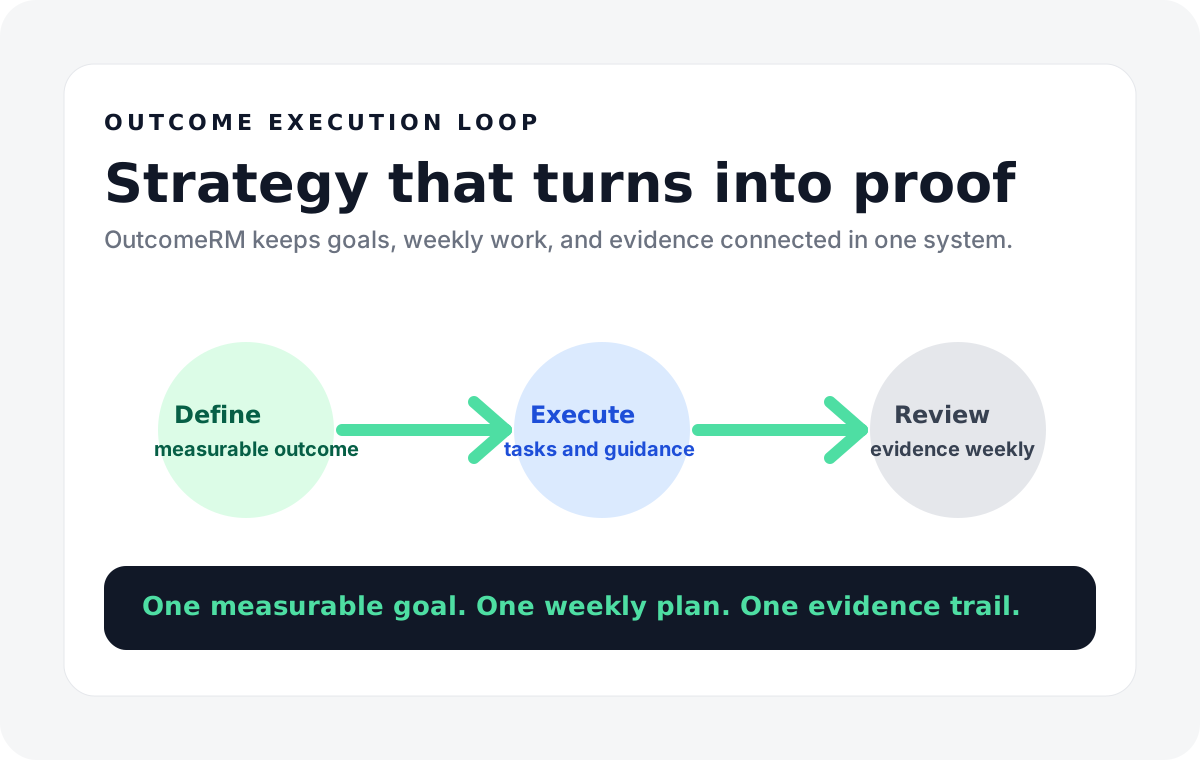
That review loop is what turns a marketing plan into a growth system.
Why OutcomeRM fits this topic
Most moving companies do not need a prettier plan.
They need:
- clear next actions
- a simple weekly operating rhythm
- channel-by-channel KPI review
- a way to see what is actually creating booked jobs
That is the layer OutcomeRM is built for.
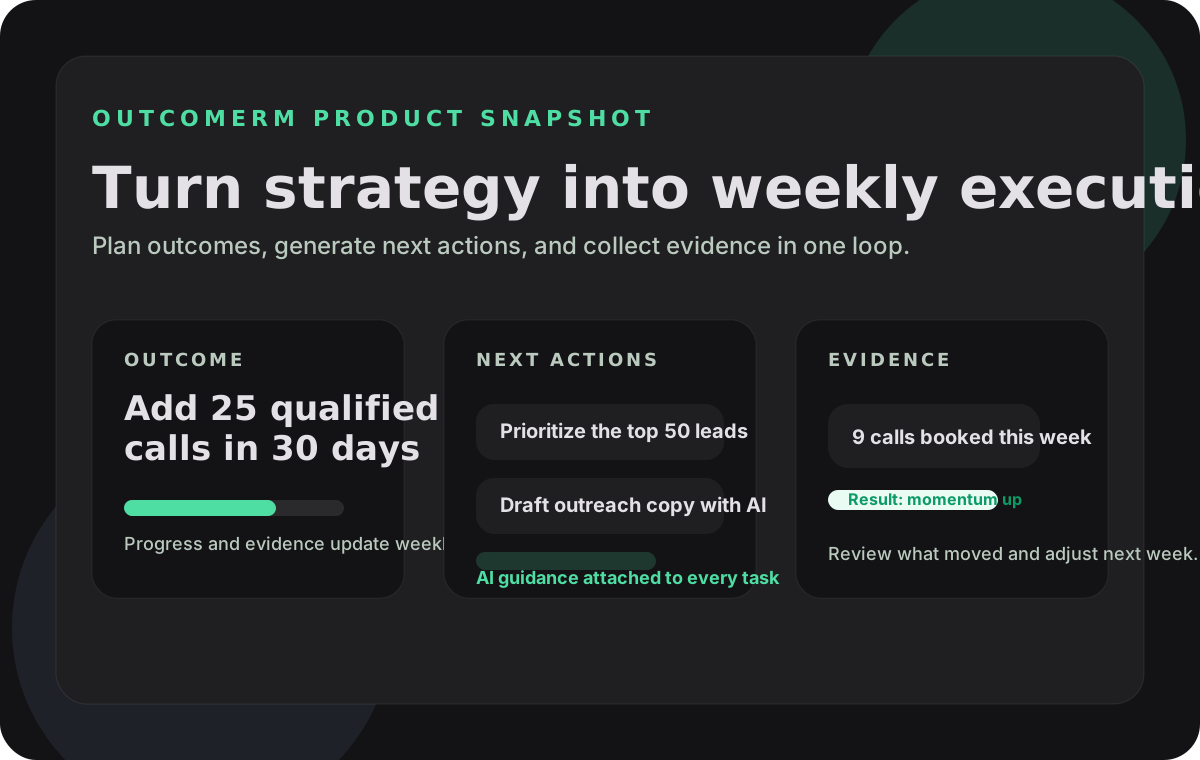
You can start with one goal, turn it into weekly actions, and review the evidence instead of letting the plan sit in a document.
Final takeaway
The best marketing plan for a moving company is not the most impressive document.
It is the one that makes next week obvious and ties every action to a booking outcome.
If you want to turn that into a working system, start with the OutcomeRM templates or create an account and build the plan around one measurable moving-company target.