
If you want to know how to improve customer retention in a cleaning business, start here:
Most retention problems are not caused by bad marketing.
They are caused by a weak handoff between:
- the first clean
- the follow-up
- the recurring offer
- the scheduling experience
That means retention is not a soft metric. It is an operating system problem.
Quick answer
To improve customer retention in a cleaning business:
- deliver a great first service
- follow up immediately
- make the recurring option simple
- maintain service consistency
- reactivate clients before they disappear for good
If you do those five things well, retention usually improves before you spend more on acquisition.
The first clean matters more than most owners think
Many customers decide whether to rebook based on the first experience.
That means you need:
- a clear scope
- realistic timing
- clean communication
- a strong final walkthrough or summary
If the first service feels confusing or inconsistent, the recurring offer is much harder to sell.
Follow up while the experience is still fresh
A simple retention flow:
- same-day thank-you message
- next-day satisfaction check
- recurring-plan offer within a few days
- reminder at the next ideal service interval
This is where one-time jobs start turning into repeat revenue.
Make the recurring option easy to say yes to
Do not make customers decode your pricing or service options.
Offer clear choices such as:
- weekly
- biweekly
- monthly
And explain the benefit:
- lower maintenance effort
- easier scheduling
- preferred pricing
- a cleaner home or office without last-minute stress
Service consistency protects retention
Retention falls when the customer experience varies too much.
Protect consistency through:
- documented checklists
- technician notes
- before-and-after expectations
- internal quality reviews
This is why retention is not just a marketing issue. It depends on operations too.
Watch for churn signals early
Common signs a client is about to disappear:
- slower replies
- skipped follow-up booking
- unresolved complaint
- more price sensitivity than usual
- reduced add-on purchases
If you spot those early, you can intervene before the customer is lost.
Run win-back campaigns for inactive clients
Not every lost client is gone forever.
Create a monthly list of:
- clients who booked once but never returned
- recurring customers who paused
- commercial accounts that stopped replying
Then send:
- a check-in
- a seasonal reminder
- a reactivation offer
- an easier scheduling option
That often recovers revenue faster than chasing brand-new leads.
Retention metrics to review every week
Track:
- one-time to recurring conversion rate
- active recurring clients
- repeat booking rate
- average revenue per retained customer
- churned clients this month
- win-back rate
Those metrics tell you whether your customer base is getting stronger.
The connection between retention and marketing
Marketing performance looks very different when retention improves.
Why?
Because:
- referrals rise
- reviews accumulate
- acquisition cost drops
- lifetime value improves
- route density gets better
That is why retention is one of the best growth levers in a cleaning business.
Weekly actions that improve retention
Instead of writing:
- improve customer loyalty
write:
- send satisfaction follow-up after every first clean
- offer recurring service to every satisfied one-time client
- review inactive-client list every Friday
- check churn reasons and technician notes weekly
- ask retained clients for reviews and referrals
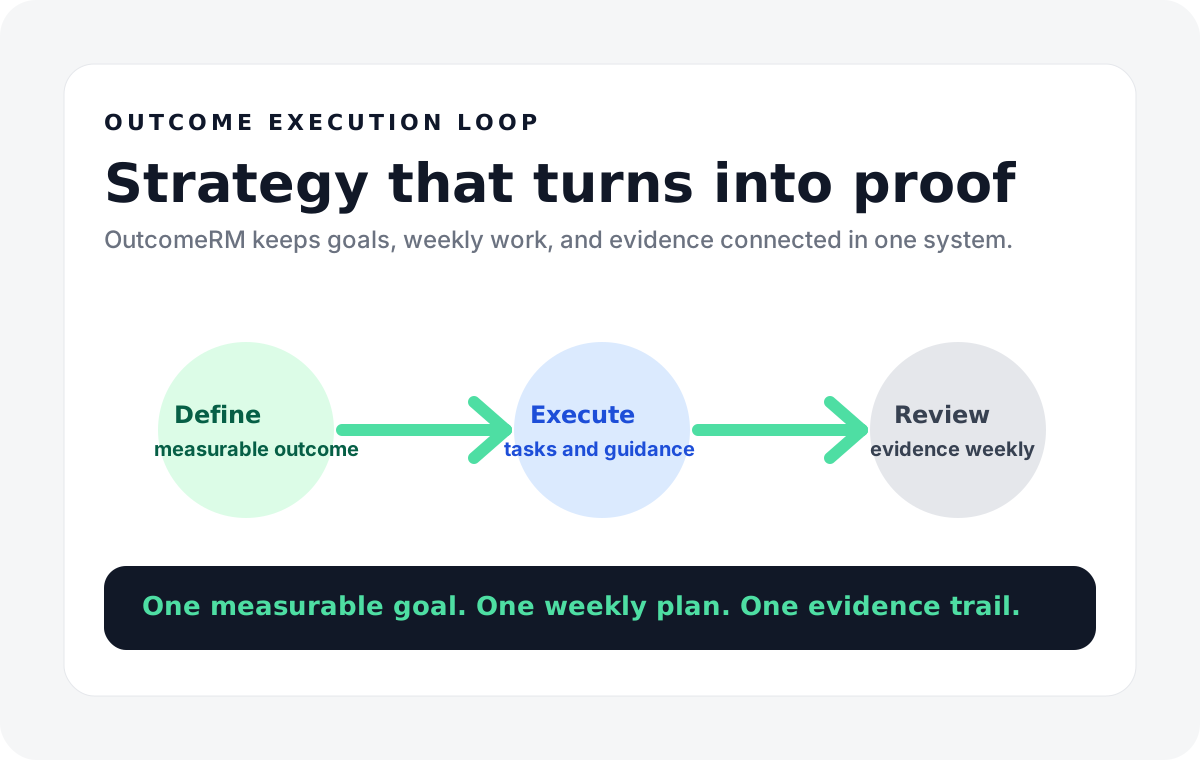
That is the execution model OutcomeRM is built for.
Final takeaway
If you want to improve customer retention in a cleaning business, do not start with a loyalty slogan.
Start with the first clean, the follow-up rhythm, the recurring offer, and the weekly review of who stayed, who left, and why.
If you want to run that as a measurable system, start with the OutcomeRM templates, then connect it to Marketing Plan for a Cleaning Business and Marketing Strategies for a Cleaning Business.